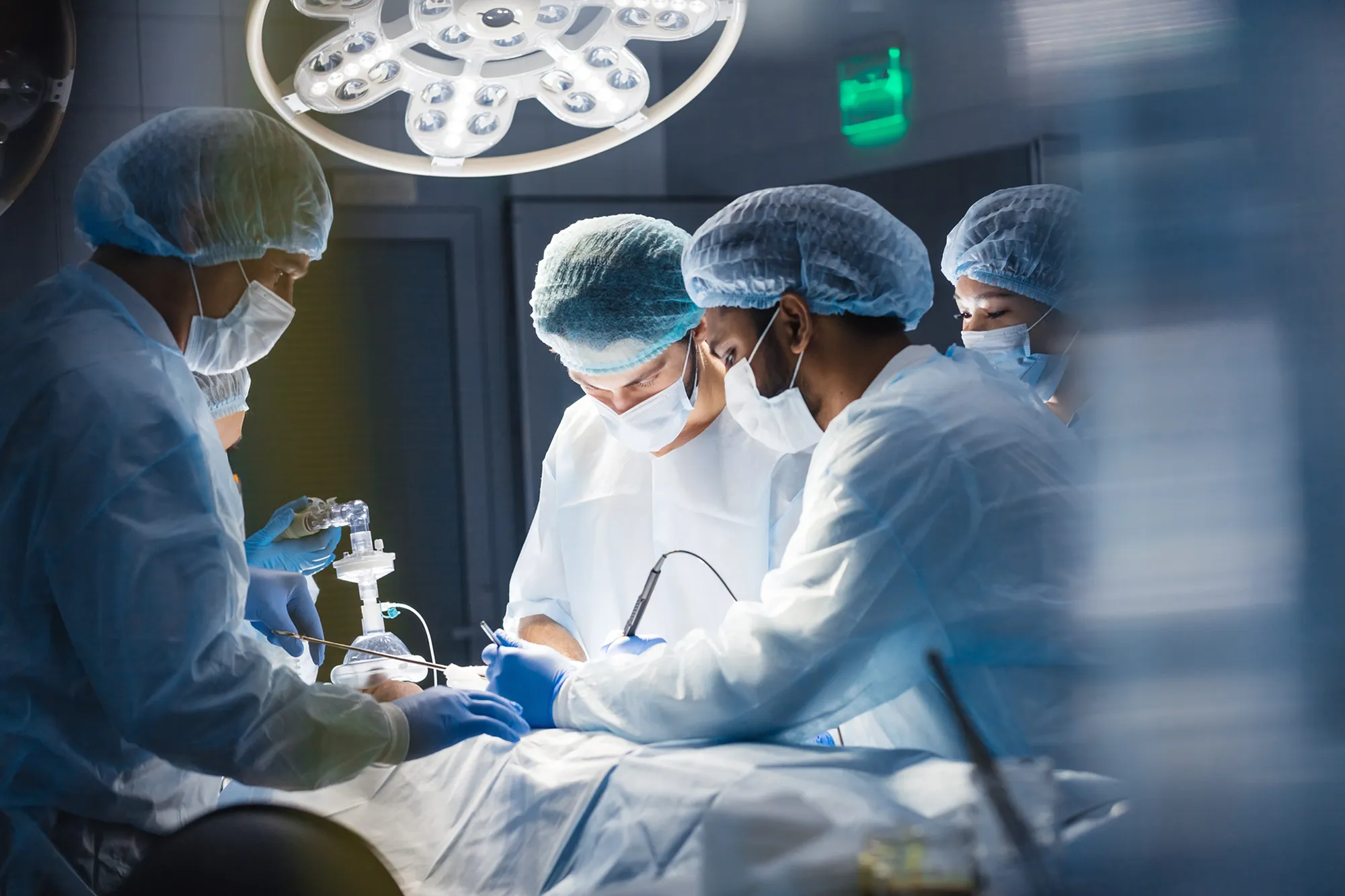
I’m considering having elective surgery—however, I’m wondering if my obstructive sleep apnea presents any risk given I will need to have general anesthesia?
People with obstructive sleep apnea (OSA) who have general anesthesia do have a slightly increased risk of postoperative respiratory complications. OSA occurs when the muscles in the airway relax as you sleep. This causes the airway to narrow, resulting in repetitive interruptions in breathing and potentially reducing the supply of oxygen to the brain. Anesthetics, sedatives, and some painkillers can exacerbate this because they further relax the upper airway muscles.
It’s important to inform your doctors and the anesthesiologist that you suffer from OSA, so you can be closely monitored after the surgery to ensure that your breathing isn’t compromised. If you use a continuous positive airway pressure (CPAP) machine (these deliver a stream of compressed air, via a mask or nasal cannula, to keep the airway open), ask if you can take it with you to use in the recovery room, or request that the hospital provide one for you. If you can, arrange for a friend or family member to be in the recovery room with you so they can seek help if you appear to be having trouble breathing.
For more info like this, subscribe to my monthly newsletter at www.focusonhealthyaging.com.